

In these days, two news items have appeared on the net that have let me reflect a lot and that, hidden between the lines, could redefine some important scenarios of music production for at least a decade to come.
Both concern two companies that have different purposes, but both are widely present throughout the digital music production landscape: Apple e PACE.
Leaving for a moment Apple, known by all, I point the spotlight first on the software house PACE, the same that produces the protection keys iLok and that in the last week has acquired ownership of juce, probably the most performing, functional and modern multi-platform programming language for the development of music applications.
If someone is still fasting on "what are we talking about", it is worth remembering that the iLok is one of the best software protection systems complete with a proprietary USB key on which DAW user licenses are stored (ProTools (in primis)) and various plug-ins (Softube, Alliance plug-in, Antares AutoTune, just to name a few.)
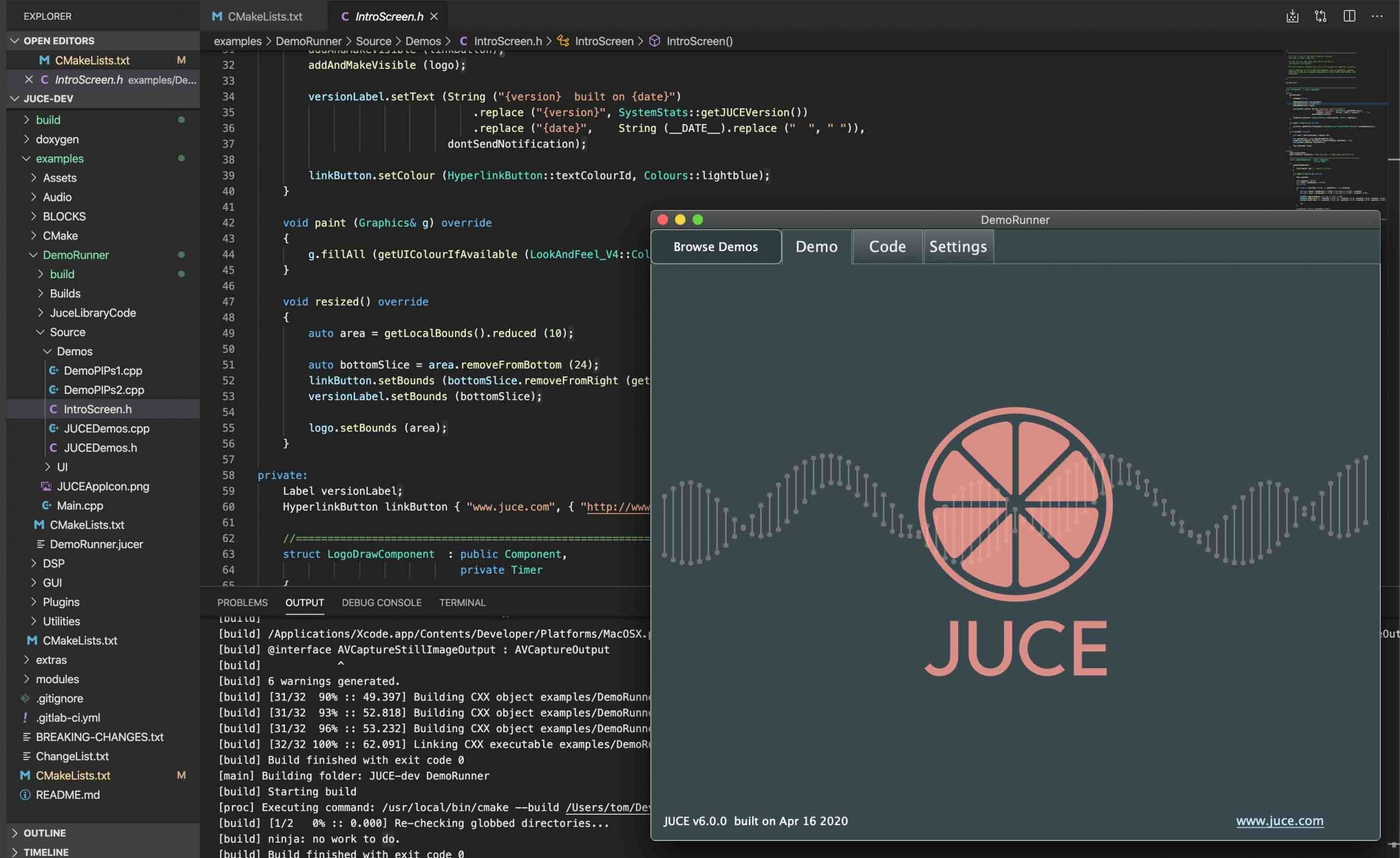
With JUCE software such as tracktion and today waveform of the same company, Max/MSP by Cycling '74, i Gadget by Korg, all plug in by the French UVI, ARTURIA, IMAGE LINE, PRESONUS, SWAM Engine by AudioModeling and so on. The current state, JUCE is free for companies with turnover up to $50.000 , it is unknown if it will be the same in the coming months.
As if that weren't enough, the JUCE development team has announced the upcoming release of the v6 (we are talking about June 2020) with which, among the different features provided, there will be the possibility of integrating the standard Vst3 in Linux.
Good. I don't know about you, but just these few indications let me think a lot even without deepening the commercial aspects, the development engine and whatever else JUCE was determining in the panorama of applications for producing music. Another clue can be found in the hypothesis that PACE will integrate JUCE with iLok protection.
Second news
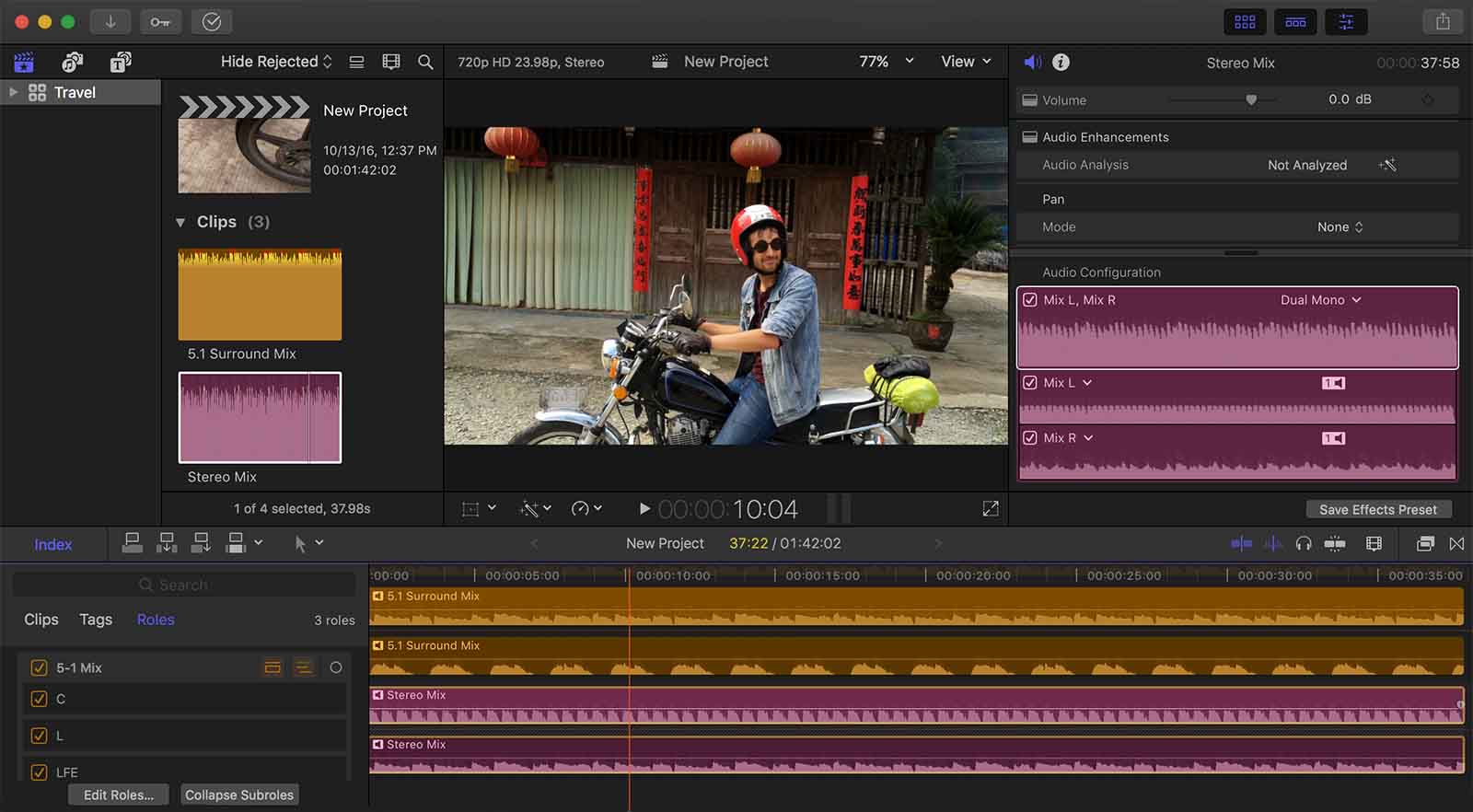
Apple may be well underway with the development of Logic Pro X e Final Cut Pro X up… iPad!
We consider that for some years Apple itself has been working to bring its CPUs into Pro-range computers and that the project "Marzipan”, Which is the code that should allow applications to be ported between iOS e MacOS, has been in development for as many years. Therefore it could be said with little margin of error that the 2021 it will be the year of the turning point of the entire panorama of applications developed for the world of bitten apples. Logic Pro X, certainly among the most popular DAWs for production, is therefore preparing to have an important speed up dictated, in case someone has not yet noticed it, by a full hardware / software integration that characterizes the entire Apple ecosystem.
I still note that recent iPad Pro can be enhanced with HardDisk in technology NVME SSD until 1TB of memory, sufficient to integrate the Logic Pro X library (about 70GB at present) and that some Benchmarks carried out with the current “A13 Bionic” CPUs have found performance not much lower than the Mac with Intel processor. If 2 + 2 equals 4, it is equally true that Apple, in its vaulted rooms, is already well on the way to market processors that can outclass a good part of the prosumer category "i" CPU series: this is not the case yet. to compare them with those of the workstation class.
I gamble instead of, just as likely, the next WWDC of June we will see in practice a wide use of these new technologies already widely tested and a new Apple roadmap that will outline the next decades to come, as it happened when, about twenty years ago, the US company had to decide to migrate on CPU Intel after decades of using RISC processors from IBM (Reducated Iinstruction Set Ccomputer), better known by the names of PowerPC, which later became G3, G4 and G5.
Without going further into the details, anyone who has gone through several IT "revolutions" like myself will quickly understand that we could be faced with a new beginning; that part of our life as users, musicians, music programmers that will have to deal with new rules, new systems, but also new opportunities, new features, new creative lymph that will inevitably also strongly condition the panorama of musical proposals to become.
For the new generations of producer, surely there will be a lot to experiment and invent new "creative interactions" to be proposed to a somewhat flattened music market in recent years where the novelty of this period that has aroused some curiosity among music users, but to be considered in all and for all the discovery of hot water for the world of audio technicians, it is called 8D. But of this, if you want, you can talk about it in a separate article.
Know that if the forecasts are right, the next "technological gap" will talk around the 2040: I'll be there, hoping to still have the desire and desire to bang my nose in technological innovations. I don't know about you.
Good music!
Alfred Capozzi