



Welcome back to our second appointment in the series “the mastering chain”.
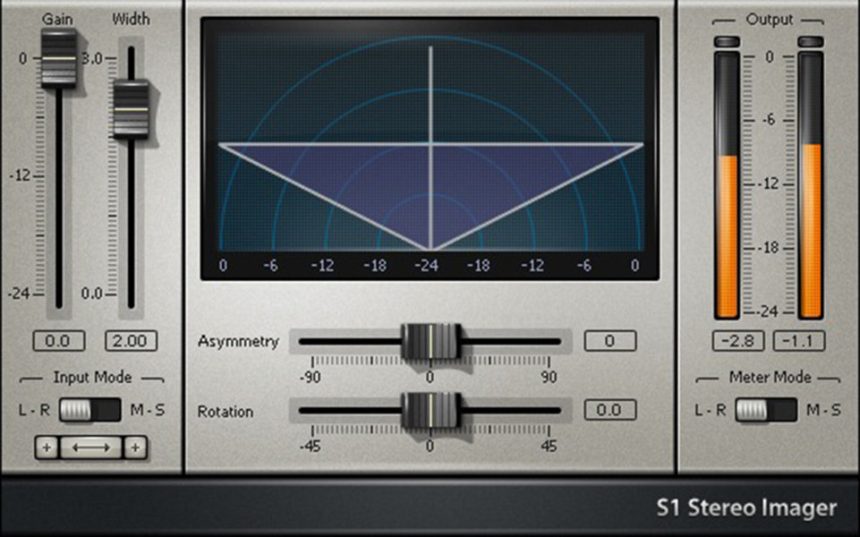
In this article we will talk about the use of processors for the stereo image.
First, you have to equip yourself with a good one rms meter because what we will check, in this case, will be the difference in the rms level between the left and right channel.
How do you get a rms difference between the two channels?

A very common example could be a mix where there are a majority of panpotted instruments more on one side than the other, or sounds with longer decay on one channel and those with faster decay on the other.
An imbalance between the two channels as well as exerting a different tension on our auditory system (between the right and left ear), due to a different sound pressure, it could trigger dynamic processors with different timing between channels; for this reason we will have to try to make the level uniform (we will deal with the discussion of dynamic processors in the next article).
Another major reason that causes left and right channel imbalance is a load greater than low frequencies on the one hand rather than another.
Therefore, one use that is made of the processes for the stereo image, is to sum in mono all the frequencies below the 120 Hz about; this is because the low frequencies contain most of the energy and therefore it is good practice to divide the sound load equally on both sides. This technique is used specifically in adapting an album for vinyl printing.

In fact, there is also an artistic use of processors for the stereophonic image; For example, a certain balance can be re-established between the central sounds and those placed at the sides, the stereophonic image can be narrowed or, on the contrary, enlarged, giving the sensation of larger spaces.
On the net you can download various plugins for the stereo image for free or alternatively you can consult the article "free plugins for mastering"In the mastering section of the site and download them from the links indicated.
Until next time ...


