

AudioThing is a small independent laboratory specializing in the development of sample libraries for Kontakt and patches for hardware / software synthesizers. In the wake of smartphone applications, the motto is "high quality, low cost". Their latest product is called SX1500 and is basically the sample emulation of the Jen SX1000

(fig.1)
Product page: http://www.audiothing.net/instruments/sx1500/
 The Jen SX1000 (Synthethone) is a glorious late 70s analog synthesizer manufactured by the Italian company Jen Electronics. Often considered the "Moog of the poor", the SX1000 is a monophonic synth, equipped with a single oscillator, a 12 dB / Oct filter, two envelopes, 1 LFO. The library developed by Audio Thing instead it is called SX1500, as if to make it understood that it is a step ahead of the original. In fact, looking at the features of the software, we notice several additions to the SX1000 equipment:
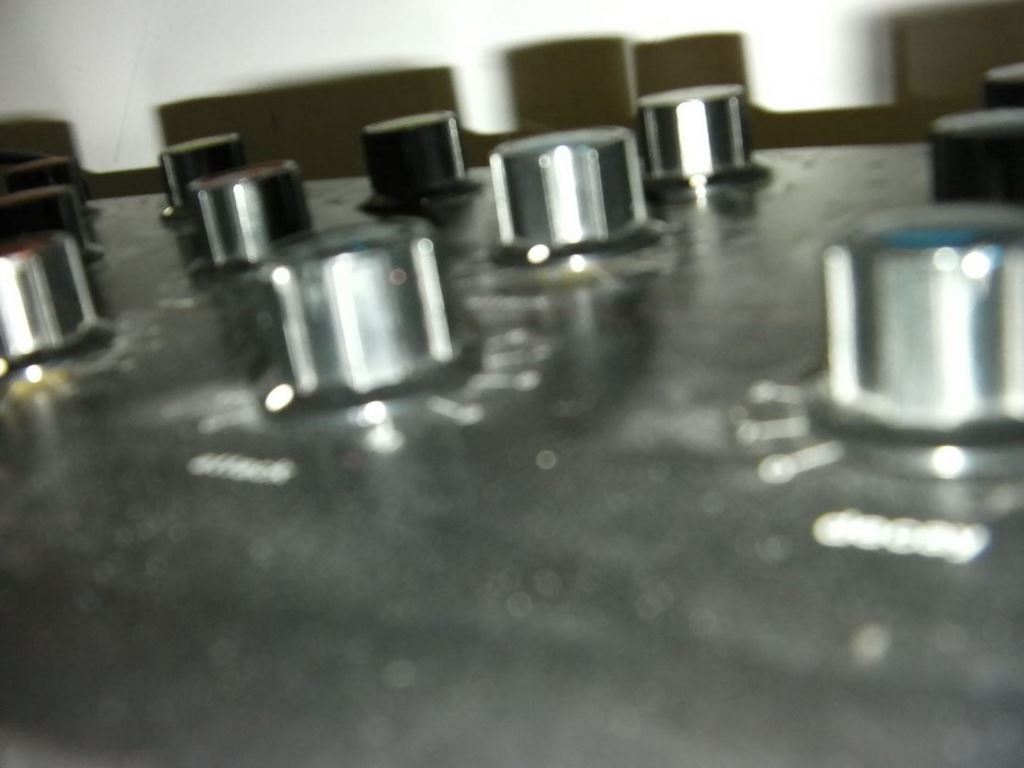
For the development of the SX1500, all three waveforms of the oscillator were sampled, key by key, the two noise sources (white / pink) and even the noise of the dusty "croaking" potentiometers. Everything was assembled using the internal language Kontakt Script, a flagship feature of the Native Instruments sampler.
The library is available for download only and is quite light. The file that is sent compressed is about 76 megs. Inside we will find a Documents folder with the manual, in English, on the use of SX1500, a Samples section where samples in wave format are collected and, finally, the library in Kontakt format.
Graphic interface
There are two screens, Panel and Rear. The first (Fig.1) includes all the most important parameters of the synthesis chain. The second (Fig.2) instead includes additional parameters such as drift oscillators and the amount of noise generated by the potentiometers. Drift is a very interesting control, as it allows you to emulate the old analog oscillator circuits that hardly kept perfect pitch. The library consists of 24 presets, including leads, basses, pads, a “pianet” and even a barrel organ.

(fig.2)
From the Panel interface, it is also possible to recall the 24 factory presets and to save those of your own creation (in the User Preset section). This is a great advantage, as it is often tedious to have to save individual Kontakt instruments as external files every time you create a sound. The samples are at 44.1kHz / 24bit: one for each key for waveform, the two noises and the noise of the croaking knobs.
Considerations
I really liked the idea that the samples were not recorded at 96 Khz: it would have been just a waste of memory and an unnecessary burden of the library.
The library, in this way, is very light and functional, even if it will never be a true reproduction of the old analog synth, with all its (beloved, damn beautiful, real pleasure for the ears) tuning problems and harmonic variations in randomly: however, sadness aside, we can happily say that it comes very close. I would recommend this category of libraries under Kontakt to any user, having a controller to manage the knobs of these analog synths in real time.
The genre of this library can range from Prog rock to IDM, it all depends - obviously - on the user, his needs and his tastes. Certainly synth leads and basses are more suitable categories, but given the polyphonic nature of the software we can also obtain beautiful pads that are very “present” and characterizing.
The choice to use the Kontakt 4.2 version, penalizing users who have older versions, is dictated by a circumstance: from Kontakt vers. 4 onwards, the kontakt script possibility has been expanded. Previously, in other words, it was not possible to create a customized interface with all custom controls and other "devilry" of those who require maximum customization for every circumstance of work or pleasure. And then, all the images of the knobs were built by the author.
Pro:
Library with a decidedly different sound from the standard we are used to.
Excellent Q / P ratio
Against:
I would have preferred the creation of a “sound categories” section and programmed a few more pads.
Extra:
This type of synth lends itself well to experimentation, to have different sounds from the classic standard sounds found in libraries. To make the most of it, it takes very few tricks. Not everyone can afford to have excellent outboards to make the sound even more “authentic”: then, you just need to equip yourself a little to get even more interesting effects. In addition to advising you to use characteristic plugs to give more breath to this kind of library, look for old tape recorders, guitar pedals, old PREs for hi-fi, or synt with analog inputs and so on in your answers. your imagination suggests you, pass the sound through these products and you will see - with great surprise - that you will feel like you are playing with a real analog. Always be careful not to overdo it, but experiment. Personally, for example, in addition to testing the plug in the studio with a beautiful MaxxBCL, with the Maxx Bass section with frequency positioned at 60 Hz and a good dose of intensity 70 - without forgetting a limiter section with the Threshold at 65dB (with the compressor off) - I found a wonderful effect. Then I also tried to pass the recording through an old cassette player and, keeping the sequence input under control, I recorded my part played. Of course, anyone my age and who has "played" with this experience - perhaps a little retro today - knows very well that when the content is poured into the computer we have a problem of intonation and pitch that changes randomly ( we are still talking about consumer machines). Don't worry: let's turn this handicap into an opportunity. We add to our synth lead, pad or any other sound that we have manipulated and put into our take, another take with the original sequence passed perhaps by a virtual guitar PRE. We keep the 2 takes with different volumes in our song, taking care to keep ours with the lowest pitch, and start the song. You will realize that the sound becomes more interesting and less overused.
Demo
[soundcloud url=”http://api.soundcloud.com/playlists/782308″ params=”show_comments=true&auto_play=false&show_playcount=true&show_artwork=true&color=ff7700″ width=”100%” height=”225″ ]
Producer: Audio Thing
Model: SX1500
Website: http://www.audiothing.net/instruments/sx1500/
Cost: $ 9 ~ 6 €
AudioThing is a small independent laboratory specialized in the development of sample libraries for Kontakt and patches for hardware/software synthesizers. Following the apps for smartphones concept, the motto is “high quality, low cost.” Their latest product is called SX1500 and is, in practice, a Jen SX1000 emulation
(fig.1)
Product page: http://www.audiothing.net/instruments/sx1500/
The Jen SX1000 (Synthethone) is a glorious late 70s analog synthesizer, produced by the Italian company Jen Electronics. Often considered the “poor-man moog”, the SX1000 is a monophonic synth, with a single oscillator, a filter at 12 dB / Oct, two envelopes, an LFO. The library developed by AudioThing instead called SX1500, almost wanting to show a step ahead of the original. In fact, looking at the features of the software, we notice several additions to the SX1000:
For the development of SX1500 all three oscillator waveforms were sampled, key by key, the two noise sources (white/pink) and even the sound of dusty potentiometers that “caw.” Everything was assembled using the internal Kontakt Script language, top feature of the Native Instruments sampler.
The library can only be purchased via download and is quite light. The file is sent in a zip file about 76 MB. Inside you will find a Documents folder with the manual, in English, for the SX1500, a folder for Samples in wave format, and finally, the library in Kontakt format.
GUI
There are two screens, and Rear Panel. The first (Fig.1) includes all the most important parameters of the synthesis chain. The second (Fig.2) instead, includes additional parameters such as oscillator drift and the amount of noise generated by potentiometers. The drift control is a very interesting, because you can emulate the old analog oscillators with not perfect pitch “holding”. The library consists of 24 presets, including lead, bass, pad, a “pianet” and even an organ.
(fig.2)
From the Panel interface you can either choose the 24 factory presets or save the ones you have created (in the User Preset). This is a great advantage because it is often tedious having to save individual instruments in Kontakt as external files every time you create a sound.
The samples are 44.1kHz/24bit: a key for each waveform for the two noise and the sound of croaking knob.
considerations
I really liked the idea that the samples have not been recorded at 96 kHz, this would have just been a waste of memory and an overburdening of the library.
The library in this way, it is very light and functional, although it will never be a true representation of the old analog synths, with all their (loved, damn nice, real pleasure for the ears) problems of harmonic tuning and random changes: however, melancholy aside, I can confidently say that it comes very close. I would recommend that any user of these libraries, find a controller to handle real-time knob of these analog synths.
The genre of this library can range from IDM to Prog rock, it all depends – of course – by the user, its needs and tastes. Surely synth leads and basses are most appropriate categories, but given the polyphonic nature of the software you can find some nice pads very “present” and characterizing.
The decision to use the Kontakt version 4.2, penalizing users who have older versions, is dictated by circumstances: from Kontakt vers. 4 onwards, NI has expanded the possibilities of the contact scripts. First, in other words, you could not create the custom interface with all custom controls and other “mischief” of those who demand maximum customization for any occasion business or pleasure. And then, that's all pictures of the knobs have been built by the author.
Pros:
Library with a sound very different from the standard to which we are accustomed.
Excellent value
Cons:
I would have preferred the creation of sound categories and some more pads.
Extras:
This type of synth lends itself well to experimentation, to get different sounds from the classic sounds that are found in standard libraries. To make the most of it takes a few precautions.
Not everyone can afford to have good outboard to make it a more “authentic” sound: Then, just gear up a little to be able to get even more interesting effects. In addition to advising you to use the plug to give some relief to characterize this kind of library, look for an old tape recorder, guitar pedals, old PRE for hi-fi, or synth with analog inputs and so on your imagination suggests, pass the sound from these products and you will see – to the surprise – you feel like playing with a real analog. Always careful not to overdo it. Personally, for example, I tried the plug in the studio with a beautiful MaxxBCL with Maxx Bass section frequently positioned at 60 Hz and a good dose of intensity 70 – not forgetting a section with the limiter threshold to 65dB (with compressor off ) – I found a wonderful effect. I tried, then, even in passing from an old tape recording and taking control of the input sequence, I recorded my part played. Of course who is my age and has “played” with that experience – today perhaps a little 'retro -, knows that when you pour the contents into the computer you have a problem with intonation and pitch that changes randomly (still speak of consumer machines). Don't worry: we transform this handicap into an opportunity. We add to our synth leads, pads or any other sound that we used and put in our take, take another pass even with the original sequence from a PRE virtual guitar. We take the 2 with different volumes in our song, taking care to keep our pitch with the lowest, and we start the song. You will realize that the sound becomes more interesting and less abused.
Demo
[soundcloud url=”http://api.soundcloud.com/playlists/782308″ params=”show_comments=true&auto_play=false&show_playcount=true&show_artwork=true&color=ff7700″ width=”100%” height=”225″ ]
Manufacturer: Audio Thing
Product: SX1500
Website: http://www.audiothing.net/instruments/sx1500/
Price: $9 ~ €6